
Dirty Reiver Gravel Event- Training Tips
The Dirty Reiver gravel events is fast approaching and we have put together our top tips for preparing for the event. Our coach, James Jobber was the first across the line in the ‘Dirty 130’ a few years ago and he offers a valuable insight into the training, equipment choices and event specific guidance that got him across the line in the fastest time.
Training tips for gravel cycling
Include torque efforts: practice producing power at a lower cadence while remaining in the saddle. These efforts build muscular endurance and improve your ability to push through steep, loamy or rocky sections where gearing and traction limit cadence. Focus on smooth, steady force application to hone in your technique and build strength before the event.
Complete high normalised power (NP) rides off-road: include sessions that raise average intensity across a variety of terrain so that your NP reflects sustained, race-specific effort. Aim for rides incorporating tempo, threshold and occasional surges — for example, a 2–4 hour gravel outing with repeated blocks at high tempo/low-threshold intensity interspersed with easier recovery segments.
Build your threshold: include structured threshold intervals to increase sustainable power. The length and duration of the intervals and recoveries should be matched to your current level. Ideally complete these on mixed surfaces when possible so you practice how it feels to be producing power off-road and so you get a feel for how to adjust your effort on varied terrain.. Gradually increase interval duration or intensity over weeks and monitor fatigue.
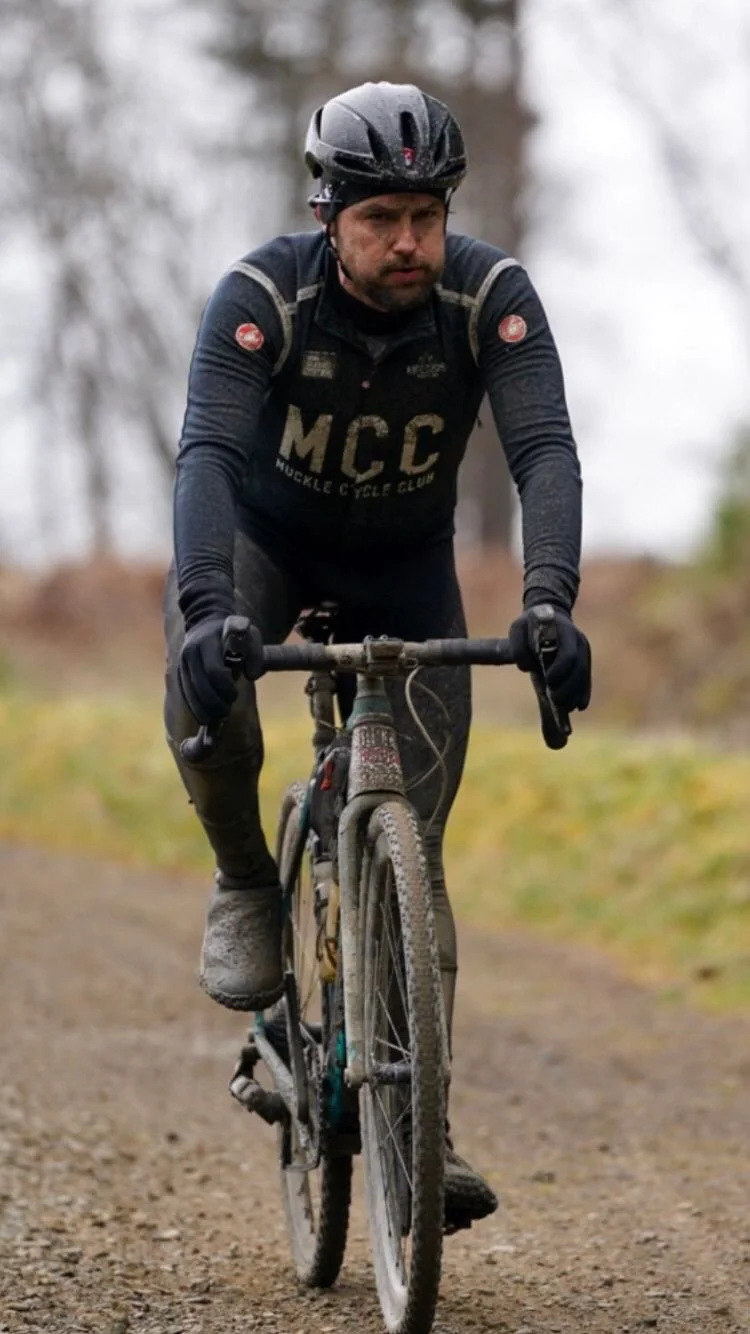
Pete Hawkins at the 2022 Dirty Reiver
Event-day strategy and processes
Clear pacing strategy: set a target based on what your goal for the event, how your preperation has gone and the conditions on the day. If you had big ambitions of a PB or high position overall but the training has been interupted and the weatehr is challening this is where you’ll need to be adaptable.
Use a combination of perceived exertion, power and heart rate to ensure you are riding at an intensity that is sustainable for the whole of the event. The goal for each of these will vary a lot between those looking to make the front group and those riding to achieve a set time. Our general advice would be to control the effort at the start of the event and avoid an adrenaline-fuelled surge.
Break the course into segments (e.g. climbs or distance) and allocate effort: RPE 3 or. 4 on the flat and 6 or 7 on the climbs. Focus on this throughout the day so you avoid getting drawn into other peoples strategy as they will have different goals to you and may also lack experience.
Nutrition strategy: plan fluid and calorie intake in advance and practise it in training. Aim for regular, scheduled feeds (for example 60g carb per hour depending on needs) and sip frequently rather than relying on large infrequent intakes. Use a combination of drink mix with carbs/salts and easily consumed solids or gels. Be sure to carry more than needed as its easy to drop a gel or bottle on rough terrain.
